




Let’s be real, managing money as a student isn’t always easy. Between rent, books, nights out and unexpected costs (hello, broken laptop), it can feel like your money disappears the minute it hits your account.
But with a few simple changes and the right tools, it’s totally possible to stay on track financially, even on a student budget. Here are some practical, no-nonsense budgeting tips for students to help you keep control of your spending without giving up the things you enjoy.
1. Know your income and outgoings
The first step in budgeting for students is figuring out how much money you have coming in and where it’s all going. List your income – student loan, part-time job, family support, bursaries – and then list your fixed costs, like rent, bills, travel and food.
Once you’ve got that laid out, you’ll see how much you realistically have left to spend each week.
Pro tip: Use a simple spreadsheet or a free budgeting app to track everything. It might feel boring, but it gives you a clear picture of your finances and helps stop that mid-month panic.
2. Spot the sneaky spend areas
We all have those little expenses that sneak up on us. Whether it’s Uber trips, takeaway coffees or too many nights out, they add up fast. Once you spot them, you don’t have to cut them out entirely, just set a limit that works with your budget.
Sites like Save the Student have loads of tips for making your money stretch further without missing out.
3. Set small, realistic goals
Whether you want to save for a weekend trip, an emergency fund or even next term’s textbooks, having a goal makes it easier to stay motivated. It doesn’t need to be massive, just something to aim for each month.
Even saving £10 a week adds up over time. The key is to start small and build from there.
4. Try a budgeting method that works for you
Everyone budgets differently. Some people like the 50/30/20 method (needs/wants/savings), while others prefer setting weekly spending limits. Try a few options and see what sticks.
Check out MoneySavingExpert’s planner to build a custom plan that fits your lifestyle.
5. Use Zilch to manage bigger buys
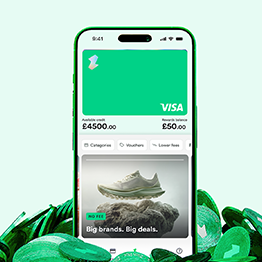
Here’s where Zilch can help out. If you’ve got a bigger purchase coming up, like a coursebook, a train ticket home or a new phone, Zilch lets you split the cost into smaller, manageable payments over time with no interest (fees may apply) when paid on time.
This means you don’t have to blow your budget all in one go, making it easier to align your spending with your income. Just make sure to use Zilch as part of your budget – not a way to spend more than you have.
6. Get Rewards for being smart with your spending
When you pay in full with Zilch, you can earn Rewards, like cashback on your everyday spending. It’s a simple way to stretch your money a bit further, especially when you’re already watching every penny.
Using Zilch responsibly also helps build good financial habits and can contribute to a positive credit history over time. Win-win.
TL;DR: Budgeting as a student made simple
Learning how to budget as a student doesn’t have to be complicated. With a bit of planning, some smart spending and tools like Zilch to help spread costs and earn Rewards, you can take charge of your finances and avoid unnecessary stress.
The best budgeting tips are the ones that actually work for your lifestyle. Start simple, stay consistent, and don’t be too hard on yourself – budgeting is a skill you’ll keep for life. Good stuff.