



Life happens. Whether it’s a broken boiler, urgent car repairs or an unexpected medical bill, surprise expenses have a way of popping up at the worst times. That’s where an emergency fund comes in – a financial safety net that helps you deal with life’s “just in case” moments without stress.
This guide breaks it all down with practical tips to help you build and manage your emergency savings, step by step.
1. What is an emergency fund?
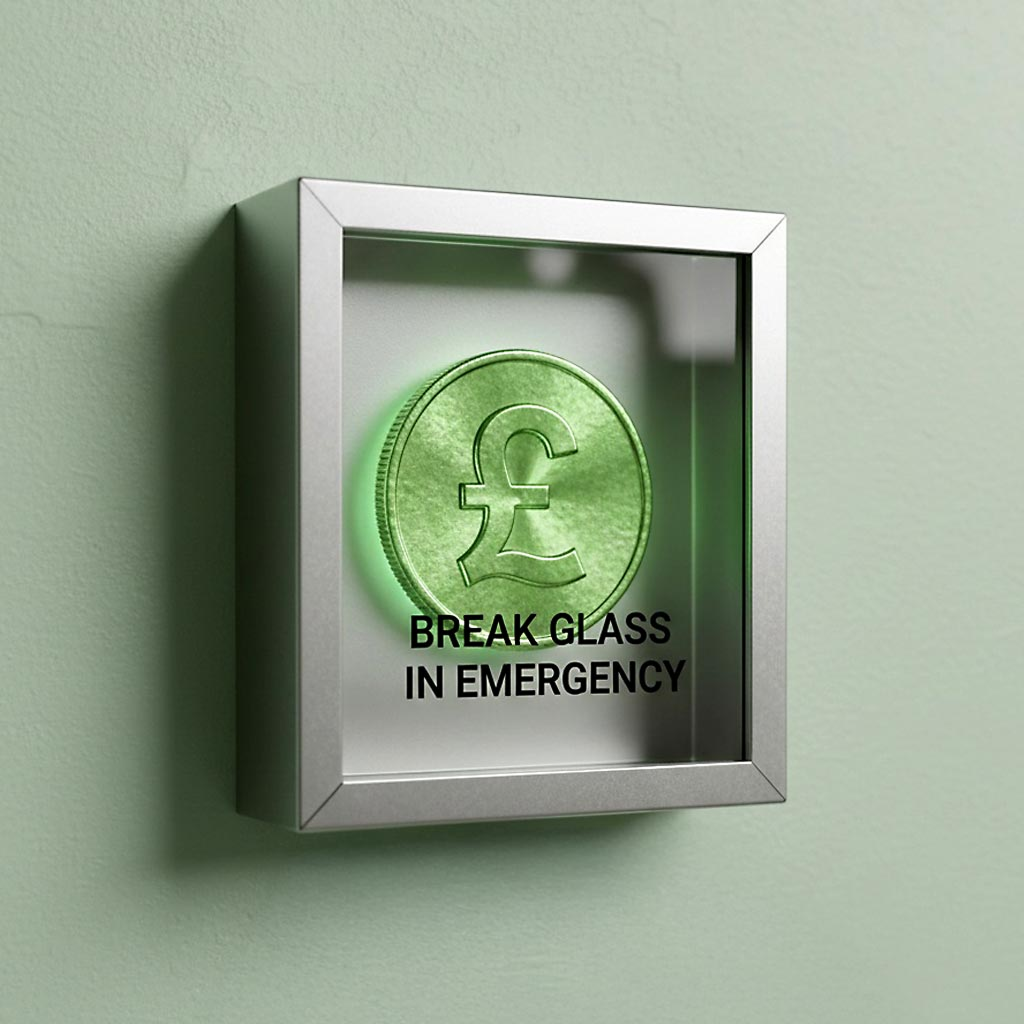
An emergency fund is money you set aside specifically for unexpected costs. It’s not for planned expenses like holidays or birthdays. It’s there to protect you when life throws you a curveball – like losing your job, urgent vet bills or a sudden rent increase.
Having emergency savings means you don’t need to rely on credit cards, overdrafts or borrowing when something goes wrong. It gives you peace of mind and financial breathing room.
2. How much emergency fund should I have?
A common rule of thumb is to aim for three to six months’ worth of essential expenses. That might sound like a lot, but don’t let it put you off. The key is to start small and build it up over time.
Ask yourself:
- What do I need to cover rent/mortgage, bills, food and transport each month?
- What unexpected costs have come up for me in the past year?
Even saving just £10 or £20 a week adds up – and it’s far better than having nothing at all.
3. How to start saving for an emergency fund
Start with a realistic goal. Maybe your first milestone is £500, then work up from there. Here are a few easy ways to begin:
- Set up a standing order into a savings account after payday.
- Round up your spending and stash the difference.
- Cut back on one small expense a week (like a takeaway or extra coffee) and redirect that money into savings.
You can also use tools like budget planners or apps to track progress. MoneyHelper and CAP UK offer some great advice and resources to get you started.
4. When and how should you use your emergency fund?
Only dip into your emergency fund for real emergencies, like urgent home repairs, car breakdowns or unexpected travel costs. Not for things like sales, holidays or impulse purchases.
And if you do need to use it, try to top it back up as soon as you can. Think of it like a financial reset button – it’s there to help you bounce back.
5. How Zilch can help in a pinch
We get it, not everyone has a fully stocked emergency fund ready to go. That’s where Zilch can offer short-term help. If you’re hit with an unexpected cost and need to act fast, Zilch lets you spread the cost of essential purchases over time, interest-free (fees may apply).
This can ease the pressure without throwing your finances completely off track.
Important: Zilch isn’t a replacement for an emergency fund. It’s a tool to help manage cash flow when you’re in a bind, while you continue working towards a solid savings buffer. Always use it responsibly and within your budget.
Let’s sum it up
Building an emergency fund isn’t just smart, it’s essential. It puts you in control when life gets unpredictable and helps you avoid the stress of scrambling for cash when something goes wrong.
Start small, stay consistent and remember: even a little bit saved is better than nothing. And if you do face an urgent expense before your fund is built, tools like Zilch can help bridge the gap without spiralling into debt.
Zilch gives you flexible payment options when you need them most.
Use it wisely to manage the unexpected, while you work toward long-term financial peace of mind.