




First off, good on you for that Google search. Debt research probably isn’t the light reading you’d like to be doing. But it’s important. And we’re going to make it as easy as possible for you to tackle.
So, let’s break it all down. From the three main categories of debt, to which types might cost you more in the long run.
What are the three main categories of debt?
All debt generally falls into one of three categories:
Secured debt: debt that’s tied to an asset, like your home or car. If you don’t keep up with repayments, the lender can take the asset back.
Unsecured debt: debt that isn’t tied to anything you own. The lender can’t take an asset from you (let’s say, your house) if you fail to make payments. Instead, lenders rely on your credit history to decide if you qualify. Think credit cards and personal loans.
Revolving debt: this means you can borrow up to a certain limit, repay it, then borrow again. Most credit cards also fall into this category.
Types of consumer debt
Let’s get familiar.
Credit card debt
Ah, already familiar? 64% of adults in the UK are. Credit card debt is one of the most flexible types of unsecured debt. You can spend up to your limit and pay off as much or as little as you like each month – though you’ll be charged interest on any small repayments if you don’t pay your full balance.
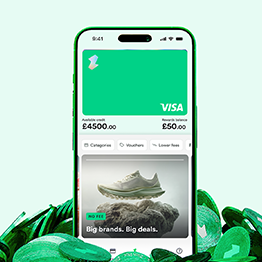
While it offers flexibility, interest can build quickly. That’s where Zilch comes in. With huge perks like no interest* when you Pay over 6 weeks, and up to 5% back in Zilch Rewards when you Pay now, Zilch can help reduce the overall cost of borrowing. Have a think about it.
*Fees may apply.
Personal loans
These are usually fixed-term, unsecured loans. You borrow a set amount and repay it over an agreed time. Rates can vary depending on your credit score, and missing payments can affect your financial status.
Student loans
Student debt tends to be lower-cost, with repayments linked to your income. While interest still builds, the terms are often more forgiving than other types of debt. And you won’t start repaying until you’re earning above a certain threshold.
Mortgages
A debt with a big home-shaped silver lining. A mortgage is a type of secured debt. You borrow money to buy a home and repay it over time. If you miss payments however, the lender can repossess your property. It’s often considered ‘good debt’ because it helps you build equity, but it still carries risk.
Car finance
Also a form of secured debt. Whether it’s a hire purchase or personal contract purchase (PCP), the car is used as collateral. That means you risk losing the car if you fall behind on payments.
Buy now, pay later and split payments
Not all credit is created equal. Some buy now, pay later options come with unclear fees and harsh penalties. Not with Zilch though, we threw the classic buy now, pay later model out. Our Pay over 6 weeks product is designed to help you stay in control. It’s interest-free (fees may apply), and has clear due dates and reminders. And if you do opt to Pay now, you can earn up to 5% back in Zilch Rewards. More control and fewer costs? It’s a win-win.
What types of debt should be paid off first?
It depends on your approach, but if we’re talking biggest financial win, high-interest debt should be paid off first. Think credit card balances and payday loans. These cost you more over time, especially if left unpaid. Tackling them early helps you save money and avoid falling into a debt spiral.
Secured debts like mortgages or car loans should always be prioritised too. Missing payments could mean losing your home or vehicle.
Looking to cut the cost of borrowing?
Download Zilch today and start paying smarter. Whether you Pay now or over time, it’s built to help you make the most of your money.